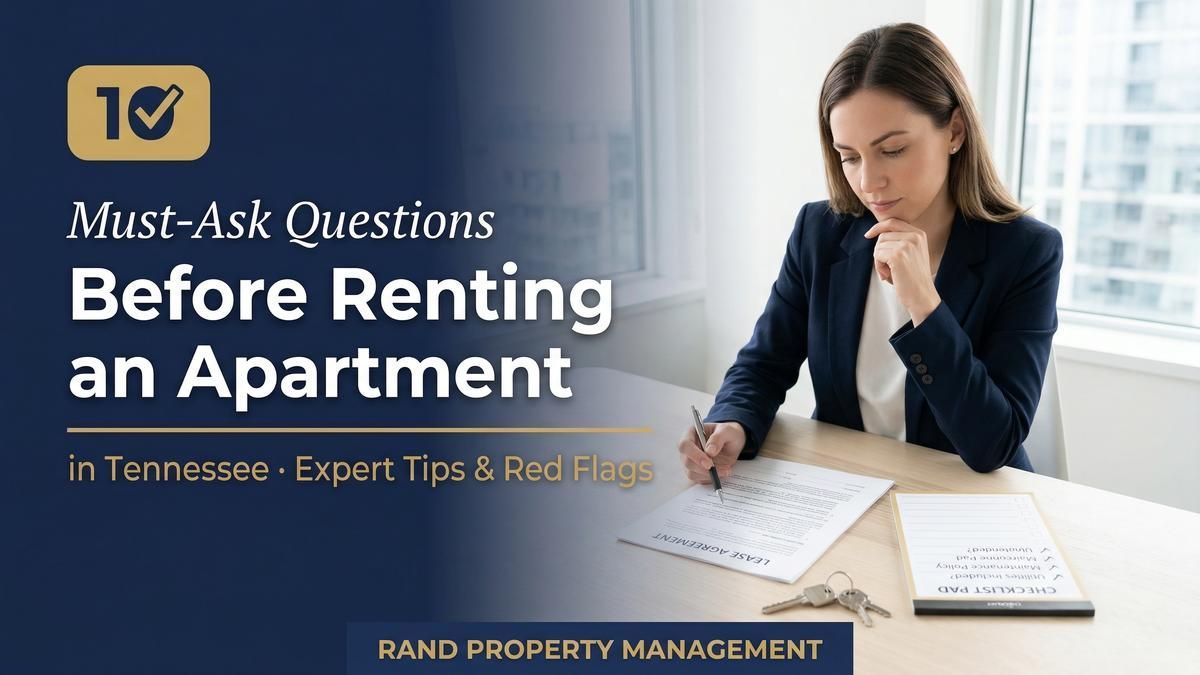
10 Must-Ask Questions Before Renting an Apartment in Tennessee
Introduction
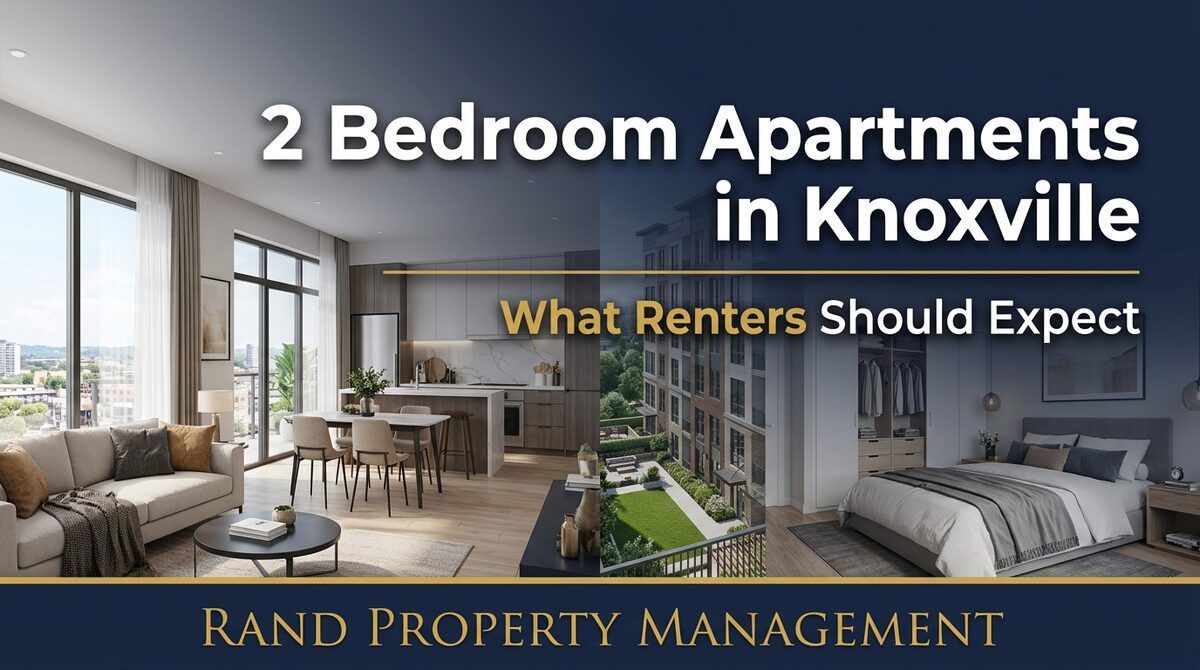
Finding the perfect place to call home is an exciting milestone, especially if you are searching for apartments for rent Knoxville TN or exploring the broader East Tennessee market. However, the process can also be daunting for first-time renters. Without the right knowledge, it's easy to get swept up in the aesthetics of a freshly painted living room or a modern kitchen, overlooking the critical details that define your actual living experience.
Renting in Tennessee is a significant financial commitment. With standard lease lengths usually running 12 months and typical security deposits equal to one month's rent, you are entering into a binding contract that impacts your budget and lifestyle for a full year. In a competitive market where average move-in costs for a two-bedroom unit can range from $2,500 to $3,500, being informed is your best defense against unexpected surprises.
This guide is designed specifically for first-time renters navigating the East Tennessee apartments market. We will walk you through the 10 essential questions you must ask before signing any lease. By the end of this article, you will have the confidence of a seasoned renter, armed with the knowledge to spot red flags and secure a rental agreement that works in your favor. At Rand Property Management, we believe in transparency and empowering our residents, which is why we've compiled these expert apartment hunting tips to help you make the best decision for your future home.
Why Asking Questions Matters
Many first-time renters feel hesitant to ask too many questions during a tour, fearing they might seem difficult or demanding. However, asking detailed questions is the hallmark of a responsible tenant. It serves four critical purposes:
- Legal Protection: A lease is a legally binding contract. Asking questions clarifies ambiguous terms and ensures you understand exactly what you are agreeing to, protecting you from potential legal disputes down the road.
- Financial Security: Hidden costs can quickly derail a budget. By asking about all fees upfront, you avoid the shock of unexpected monthly charges for things like parking, pets, or amenities.
- Understanding Rights: Every state has specific landlord-tenant laws. Asking questions helps you verify that the landlord is compliant with Tennessee regulations regarding security deposits, notice periods, and habitability.
- Relationship Building: The Q&A process is your first real interaction with potential management. Their willingness to answer transparently is a strong indicator of how they will treat you as a resident.
The 10 Essential Questions
Question 1: What Are the Exact Terms of the Lease?
Never assume that a lease is standard. While many East Tennessee apartments operate on a 12-month basis, terms can vary significantly. You need to know exactly what options are available to you. Ask about the specific start and end dates of the lease. Does it begin on the first of the month, or is it pro-rated from your move-in date? Knowing this helps you plan your move and budget for the first month's payment.
Inquire about lease length options. Does the landlord offer 6-month, 9-month, or month-to-month leases? Be aware that shorter lease terms often come with a higher monthly premium. Conversely, signing a longer lease, such as 15 or 18 months, might lock in a lower rate.
Crucially, ask about the consequences of breaking the lease. Life is unpredictable—job transfers or family emergencies happen. You need to know the financial penalty for moving out early. Is there a lease-break fee (often equivalent to two months' rent), or are you responsible for the rent until a new tenant is found? Look for "buy-out" clauses in the lease language. A landlord who cannot clearly explain this policy or points to vague language is a red flag.
Question 2: What Is Included in the Monthly Rent?
The advertised rent price is rarely the final check you will write each month. To build an accurate budget, you must determine exactly which utilities and services are covered by the landlord and which are your responsibility. In many apartments for rent Knoxville TN, landlords may cover water, sewer, and trash removal, while the tenant pays for electricity and internet. However, this is not a universal rule.
Ask specifically about:
- Water and Sewer: Is this billed separately, or is it a flat fee added to rent?
- Trash: Is there a valet trash service fee, or just a community dumpster?
- Gas and Electric: Are these metered individually to your unit?
- Internet and Cable: Is there a mandatory technology package?
Don't forget to ask about exterior maintenance. Who is responsible for pest control? Is there a monthly fee for this service? What about snow removal in winter or landscaping in summer? For communities with pools or gyms, ask if amenity access is included or if there is an annual or monthly amenity fee. Clarifying these details prevents "sticker shock" when your first month's bills arrive.
Question 3: What Are All the Additional Fees?
Beyond utilities, the modern rental market is filled with potential additional fees. A transparent landlord, like Rand Property Management, will provide a clear fee structure upfront. Be wary of landlords who are hesitant to provide a written list of potential charges.
Start with the application process. Average application fees in Tennessee typically range from $50 to $75 per adult. Ask if there are administrative fees for processing the lease. Then, move on to monthly recurring fees. Is there a parking fee? If you have pets, what is the pet deposit (often non-refundable) and is there monthly "pet rent"?
Inquire about penalty fees as well. What is the late payment fee, and is there a grace period? Are there fees for lockouts or lost keys? Some leases include fees for lease violations, such as leaving trash outside your door or noise complaints. While you plan to be a model tenant, knowing these costs is essential. Finally, ask about move-in and move-out fees. Some buildings charge for elevator reservation or general move-in administration.
Question 4: What Is Your Maintenance Response Policy?
A landlord's maintenance policy can make or break your living experience. When you are renting, you are paying for the convenience of having repairs handled for you. Ask specifically about the timeline for both emergency and non-emergency repairs. A reputable management company should have a defined standard, such as 24 hours for emergencies and 48-72 hours for routine issues.
Clarify what qualifies as an emergency. A burst pipe or broken heater in winter is obvious, but what about a broken AC in summer or a refrigerator failure? Ask who handles the repairs—is it an on-site maintenance team or third-party contractors? On-site teams generally respond faster.
Find out the procedure for submitting requests. Is there an online portal (a hallmark of modern professional management), or do you have to call during office hours? Crucially, ask about after-hours emergencies. If a pipe bursts at 2 AM on a Saturday, is there a dedicated emergency line? Finally, understand your responsibilities. Are you expected to change light bulbs and air filters, or does maintenance handle that?
Question 5: What Is Your Pet Policy?
For many renters, pets are family. If you have furry friends, the pet policy is a deal-breaker question. Don't just ask "Are you pet-friendly?" dig deeper into the details. Ask about the financial costs: What is the pet deposit? Is it refundable? Is there a monthly pet rent per animal?
Inquire about restrictions. Many communities have breed restrictions (often dictated by insurance) or weight limits (e.g., dogs under 50 lbs). Ask about the limit on the number of pets allowed per unit—typically the limit is two. If you have a service animal or emotional support animal (ESA), ask about their accommodation policy to ensure they follow Fair Housing laws.
Beyond the rules, ask about pet amenities. Are there dog parks, pet washing stations, or designated walking areas? Knowing that a community is truly welcoming to pets, rather than just tolerant of them, makes a big difference in your daily life.
Question 6: What Are the Parking Rules and Options?
In many parts of East Tennessee, having a car is essential, making parking a critical logistical detail. Ask if parking is assigned or unassigned. Assigned parking guarantees you a spot but might come with a fee or be located far from your unit. Unassigned parking is often free but operates on a first-come, first-served basis, which can be frustrating late at night.
Ask about guest parking. Are there designated spots for visitors? Do guests need a pass? Strict towing policies are common in apartment complexes, so understanding the rules for guests is vital to avoid an expensive towing bill. If you have a motorcycle, boat, or RV, ask if there are specific storage options or restrictions.
Finally, check if there are options for covered parking or detached garages. These are valuable perks in Tennessee summers to protect your car from the sun and in winters to avoid scraping ice. Ask about the monthly cost for these upgrades.
Question 7: What Are the Noise and Quiet Hours Policies?
Your home should be your sanctuary. Understanding the community's noise policies helps align your lifestyle expectations with reality. Ask if there are specific "quiet hours" (e.g., 10 PM to 7 AM) and how they are enforced. A community with clear quiet hours indicates a management team that values resident comfort.
Ask about the procedure for noise complaints. If a neighbor is blasting music at midnight, do you call the police, or is there a courtesy officer or management number to contact? Knowing there is a process in place provides peace of mind. Additionally, ask about rules regarding gatherings. Are there limits on the number of guests or noise levels on balconies and patios?
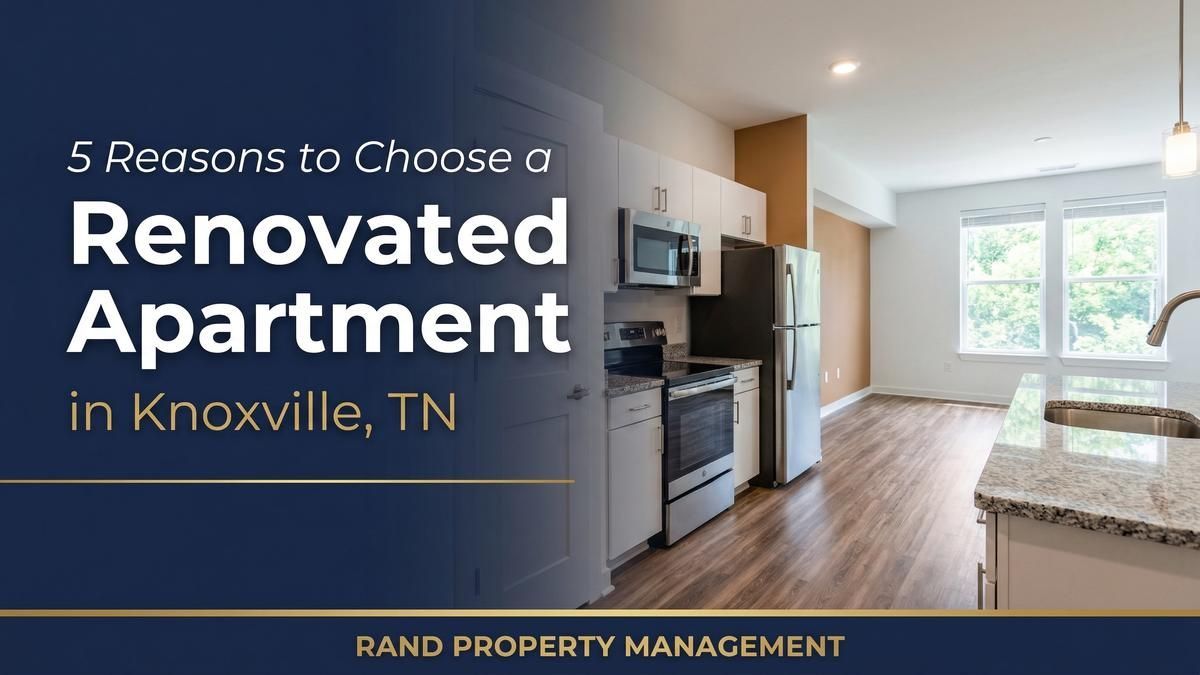
While discussing noise, pay attention to the building construction. Ask about soundproofing between floors and walls. While no apartment is perfectly silent, newer constructions or renovated units often feature better insulation.
Question 8: What Is the Move-In and Move-Out Process?
The beginning and end of a lease are where most disputes occur, particularly regarding the security deposit. Ask about the move-in inspection process. Will you be given a checklist to document existing damages? Do not skip this step. Documenting every scratch and nail hole protects you from being charged for them later.
Ask about the requirements for moving out. How much notice must you give? The standard is typically 30 or 60 days. What are the cleaning expectations? Some leases require professional carpet cleaning upon departure. Knowing this upfront helps you budget for move-out costs.
Finally, ask about the security deposit return timeline. In Tennessee, landlords generally have 30 days to return the deposit or provide an itemized list of deductions. Clarify what is considered "normal wear and tear" versus "damage" to ensure you and the landlord are on the same page.
Question 9: What Are the Lease Renewal Terms?
While moving in is the focus, thinking ahead to lease renewal is smart. Ask about the policy for rent increases. While no landlord can predict the market perfectly, they should be able to tell you if they typically raise rents annually and by what percentage range. This helps you determine if the apartment is a sustainable long-term option.
Ask when you will be notified of renewal options—typically 60 to 90 days before the lease ends. Does the lease automatically convert to a month-to-month agreement if not renewed, or does it terminate? Month-to-month rates are usually significantly higher, so knowing this prevents accidental cost spikes. Sometimes, landlords offer incentives for early renewal, such as carpet cleaning or a freeze on rent increases.
Question 10: What Is Required for the Application Process?
Before you fall in love with an apartment, ensure you qualify. Ask specifically about income requirements. The industry standard is that your gross monthly income must be 3x the monthly rent. For example, if rent is $1,000, you need to earn $3,000 before taxes.
Ask about credit score expectations. Is there a minimum score cutoff? Will a lower score require a higher security deposit? Inquire about the background check—what specifically are they looking for regarding criminal history or eviction records? Knowing these criteria saves you from paying non-refundable application fees for units you might not qualify for.
Ask what documentation is required (pay stubs, bank statements, photo ID) so you can have it ready. If you don't meet the income or credit requirements, ask if they accept co-signers or guarantors. Finally, ask how long the application process takes—typically 24 to 72 hours—and whether you need to put down a holding deposit to secure the unit while your application is processed.
Tennessee Renter's Rights
As a tenant in Tennessee, you have specific rights protected by the Uniform Residential Landlord and Tenant Act (URLTA) in larger counties. Key rights include:
- Habitability: Landlords must provide a safe and livable environment, including essential services like water, heat, and electricity.
- Security Deposits: Landlords must keep deposits in a separate account and cannot use them for personal expenses. They must return the deposit within 30 days or provide an itemized list of damages.
- Notice: Landlords generally cannot enter your apartment without notice, except in emergencies.
- Fair Housing: You are protected from discrimination based on race, color, religion, sex, familial status, or national origin.
Why Rent with Rand Property Management?
At Rand Property Management, we understand that renting your first apartment is a big step. That is why we prioritize transparency and resident satisfaction across all our East Tennessee apartments. When you rent with us, you don't have to worry about vague answers or hidden fees.
We offer:
- Clear, Transparent Leases: We walk you through every term so you know exactly what you are signing.
- 24/7 Responsive Maintenance: Our professional team is always just a click or call away to handle emergencies.
- Technology-Driven Convenience: Pay rent, submit maintenance requests, and view lease documents easily through our online resident portal.
- Pet-Friendly Communities: We welcome your furry family members with clear policies and amenities.
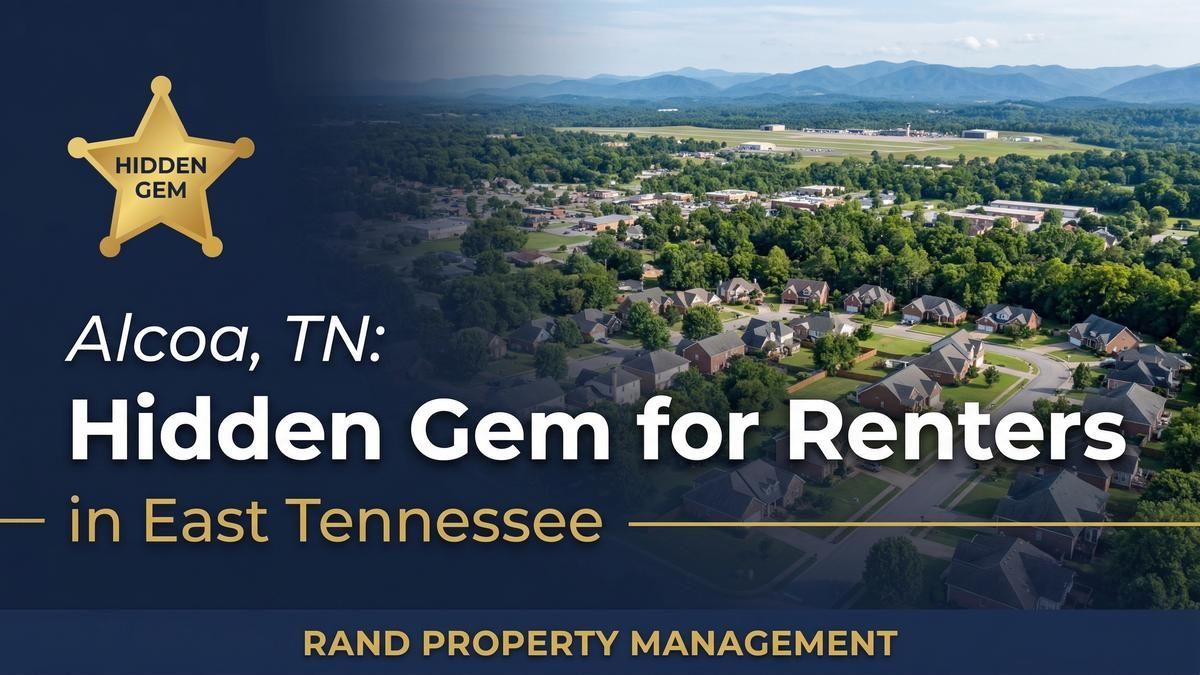
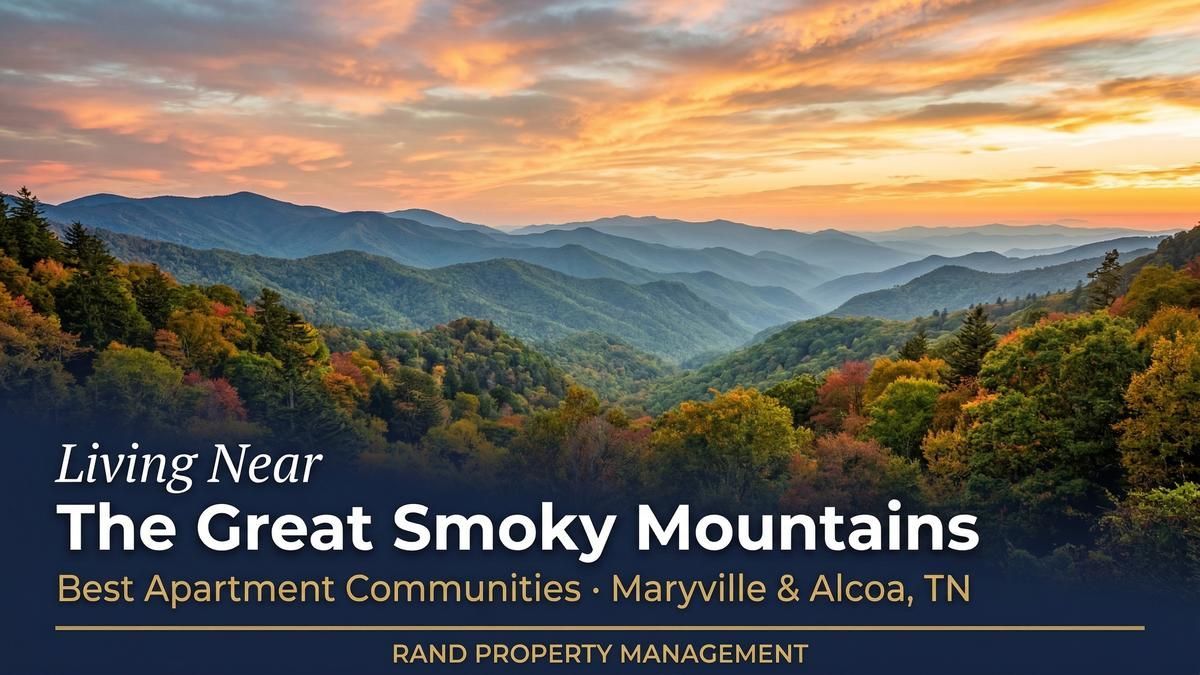
- Prime Locations: From Knoxville to Maryville, Alcoa to Jefferson City, our communities are located near the best employment, dining, and recreation hubs.
Frequently Asked Questions
How much should I expect to pay in upfront costs when renting in Tennessee?
When budgeting for apartments for rent Knoxville TN, plan for the first month's rent plus a security deposit, which is typically equal to one month's rent. Application fees usually run between $50 and $75 per adult. If you have pets, factor in a pet deposit (often $300-$500) and potentially an administrative fee. For a standard two-bedroom unit renting for $1,200, your total move-in cost could range from $2,500 to $3,500.
Can a landlord increase rent during my lease term?
No, generally speaking, a landlord cannot increase your rent during a fixed-term lease (like a 6-month or 12-month agreement) unless there is a specific clause in the lease allowing for it, which is rare. Rent increases typically happen at the time of lease renewal. Always read your lease carefully to check for any escalation clauses before signing.
How long does a landlord have to return my security deposit in Tennessee?
In Tennessee, landlords are required to return your security deposit within 30 days of you moving out and providing a forwarding address. If they intend to keep any part of the deposit for damages, they must provide you with a written itemized list of the deductions and the remaining balance within that same timeframe.
What questions should I ask during an apartment tour?
Beyond the 10 questions in this guide, ask about the specific unit you will be renting. Ask: "Is this the exact unit I will move into, or a model?" Ask about the cell phone reception, the age of the appliances, and the average cost of utility bills in both summer and winter. These practical questions give you a realistic idea of daily life in that unit.
Can I negotiate lease terms with a landlord?
It is possible, though less common with large property management companies that have standardized policies to ensure Fair Housing compliance. However, depending on the market, you might be able to negotiate the lease start date, lease length, or occasionally specific fees like parking. It never hurts to ask respectfully, but be prepared for the answer to be no.
Conclusion
Renting your first apartment is a journey toward independence. By asking these 10 essential questions, you transform from a passive applicant into an empowered, informed tenant. You protect your financial future, ensure your legal rights are respected, and set the stage for a positive living experience.
Don't settle for vague answers or high-pressure tactics. Take your time, use the renting checklist Tennessee provided above, and demand transparency. If you are looking for a landlord who values honesty and resident satisfaction, look no further than Rand Property Management.
Ready to find your new home with a management team you can trust? Explore our wide selection of apartments for rent Knoxville TN and throughout East Tennessee today.