Why East Tennessee Is One of the Best Places to Rent in the Southeast
Quick Answer
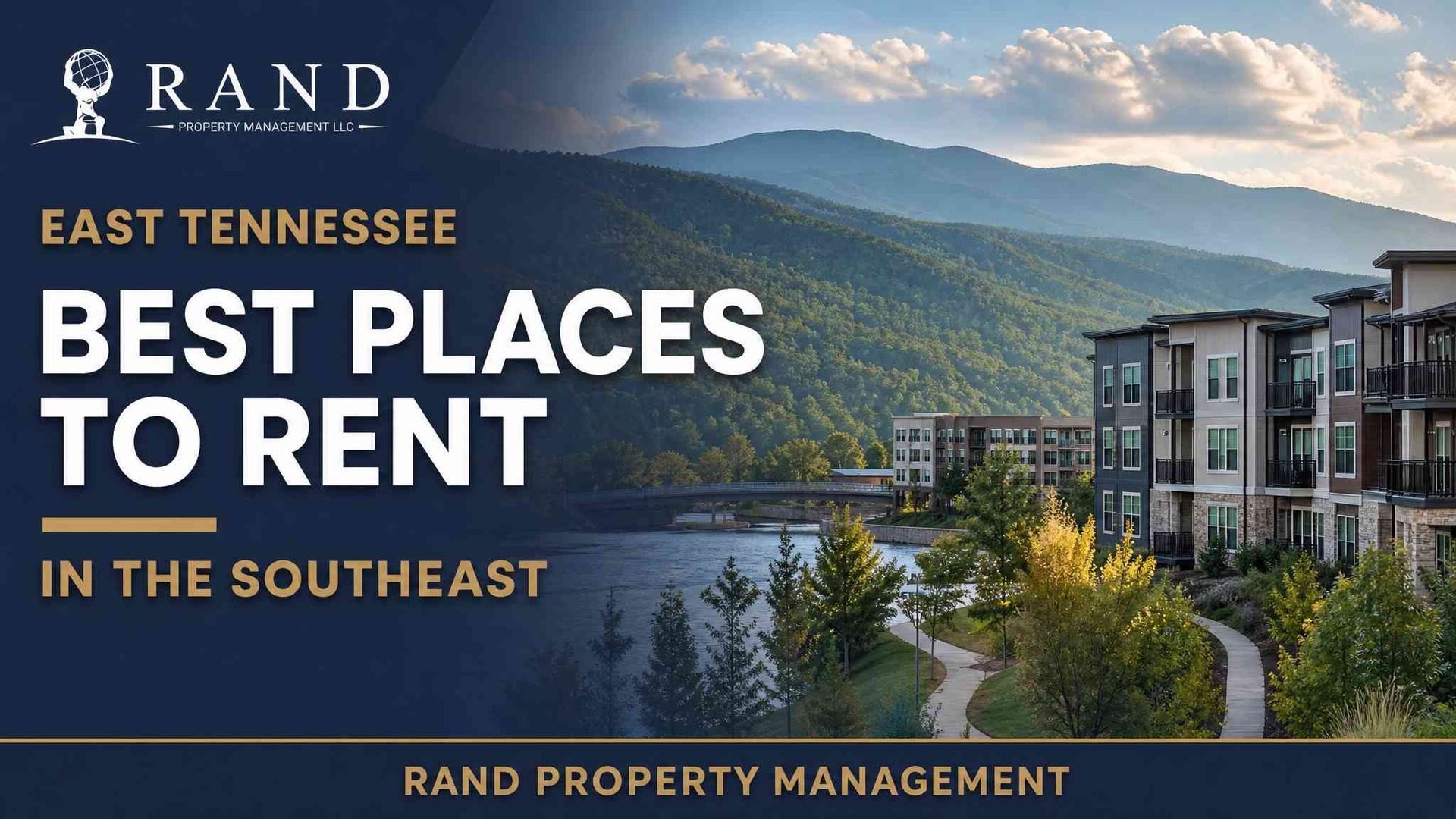
East Tennessee offers a combination of advantages that no single Southeast market can match — rental prices that are meaningfully lower than Nashville, Asheville, Atlanta, and Charlotte, outdoor access to the Great Smoky Mountains and one of the most extensive recreation networks in the eastern United States, a diversified and growing employment base, a genuine four-season climate without the extremes of the Deep South or the Northeast, and a community character across Knoxville, Maryville, Jefferson City, Morristown, and the surrounding area that larger markets have traded away in exchange for growth.
For renters who have evaluated Southeast markets broadly and are asking where their housing dollar genuinely goes the furthest — in space, in quality of life, and in the natural environment they can access from their front door — East Tennessee’s answer to that question is consistently compelling.
The conversation about where to rent in the American Southeast used to be simple. Nashville for career ambition and urban energy. Atlanta for scale and opportunity. Charlotte for banking and professional culture. Asheville for lifestyle and mountain access. These cities earned their reputations, and for renters whose priorities aligned with what those markets offer, they were reasonable choices.
That conversation has changed. Nashville’s median rent has nearly doubled over the past six years. Atlanta’s traffic has made the commute overhead of suburban affordability increasingly prohibitive. Asheville’s desirability has priced out the long-term residents who defined the city’s character. Charlotte has grown faster than its infrastructure can accommodate.
The cities that defined Southeast renter aspiration have increasingly priced renters into a set of compromises — smaller units, longer commutes, higher monthly costs, and a quality of life that requires more income to maintain than the markets’ own employment bases reliably provide.
East Tennessee has not made those compromises available yet — and for renters who understand what the region offers, the window of relative value it represents is both real and worth taking seriously before it closes.
The Affordability Advantage: What Your Dollar Actually Buys
Affordability in a rental market is not simply a function of the rent number on a listing. It is the ratio of what you pay to what you receive — in space, in amenity quality, in management standards, and in the surrounding quality of life that the location provides. East Tennessee wins this ratio comparison against virtually every Southeast market of comparable employment depth and lifestyle access.
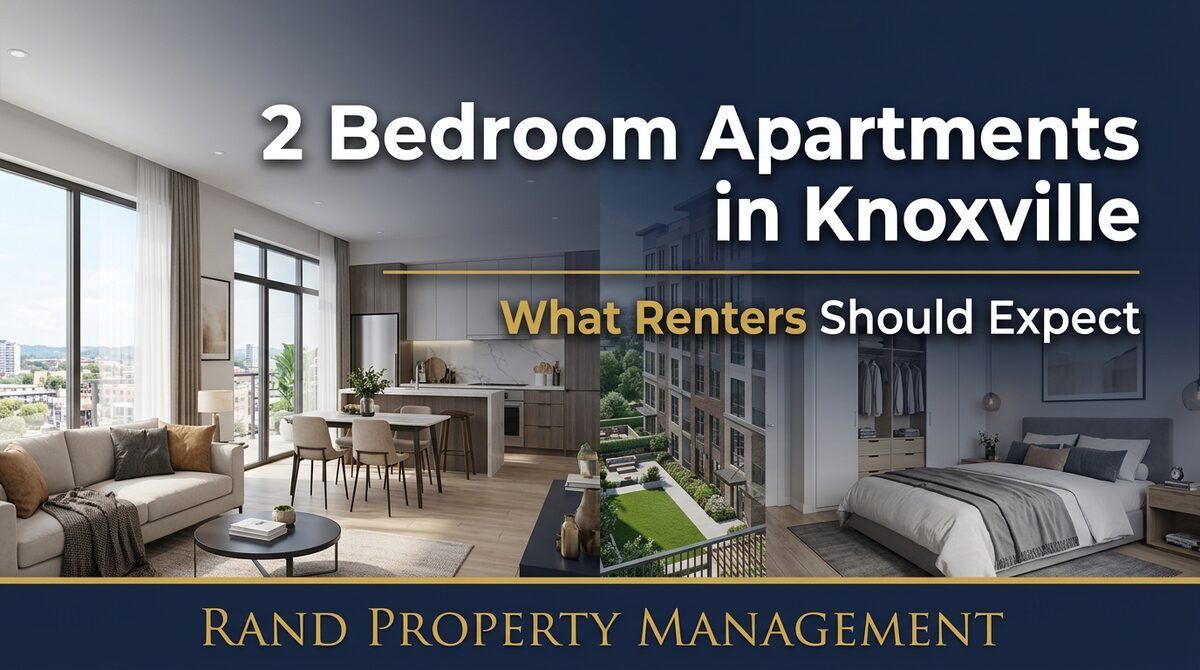
In Knoxville, the most significant city in East Tennessee’s rental market, a 2 bedroom apartment in a well-managed community runs approximately $1,100 to $1,500 per month. In Nashville, a comparable 2 bedroom in a well-managed community runs $1,600 to $2,200 per month — a gap of $500 to $700 per month, or $6,000 to $8,400 per year. In Asheville, the gap is similar. In Atlanta, the range is even wider once you account for the geographic filtering that Knoxville’s more compact market does not require.
The space that $1,300 per month buys in Knoxville — 900 to 1,100 square feet in a managed community with parking, appliances, and maintenance coverage — is 650 to 750 square feet in Nashville’s comparable price band and often less in Atlanta and Charlotte. East Tennessee renters are not simply paying less. They are paying less for more.
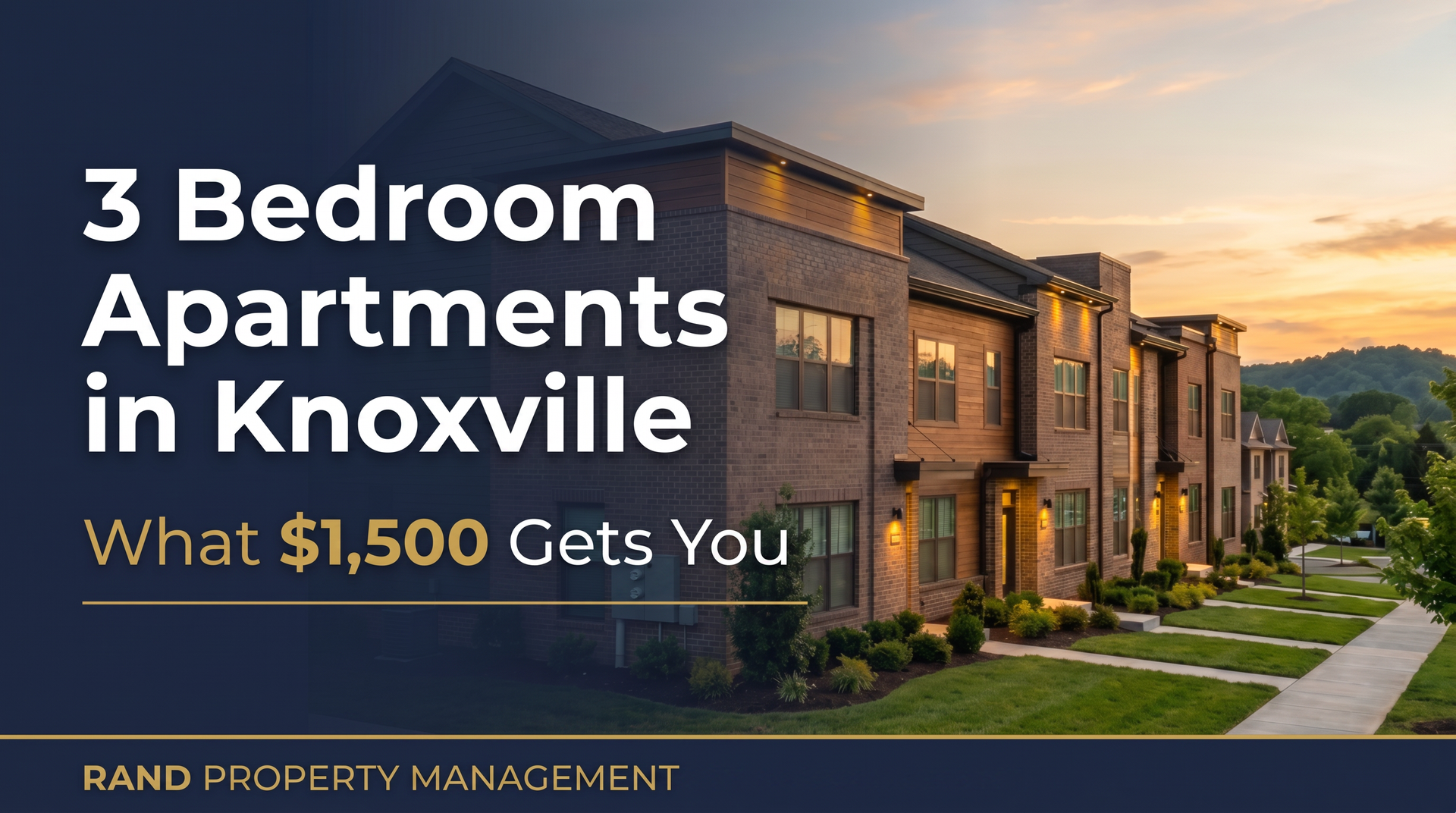
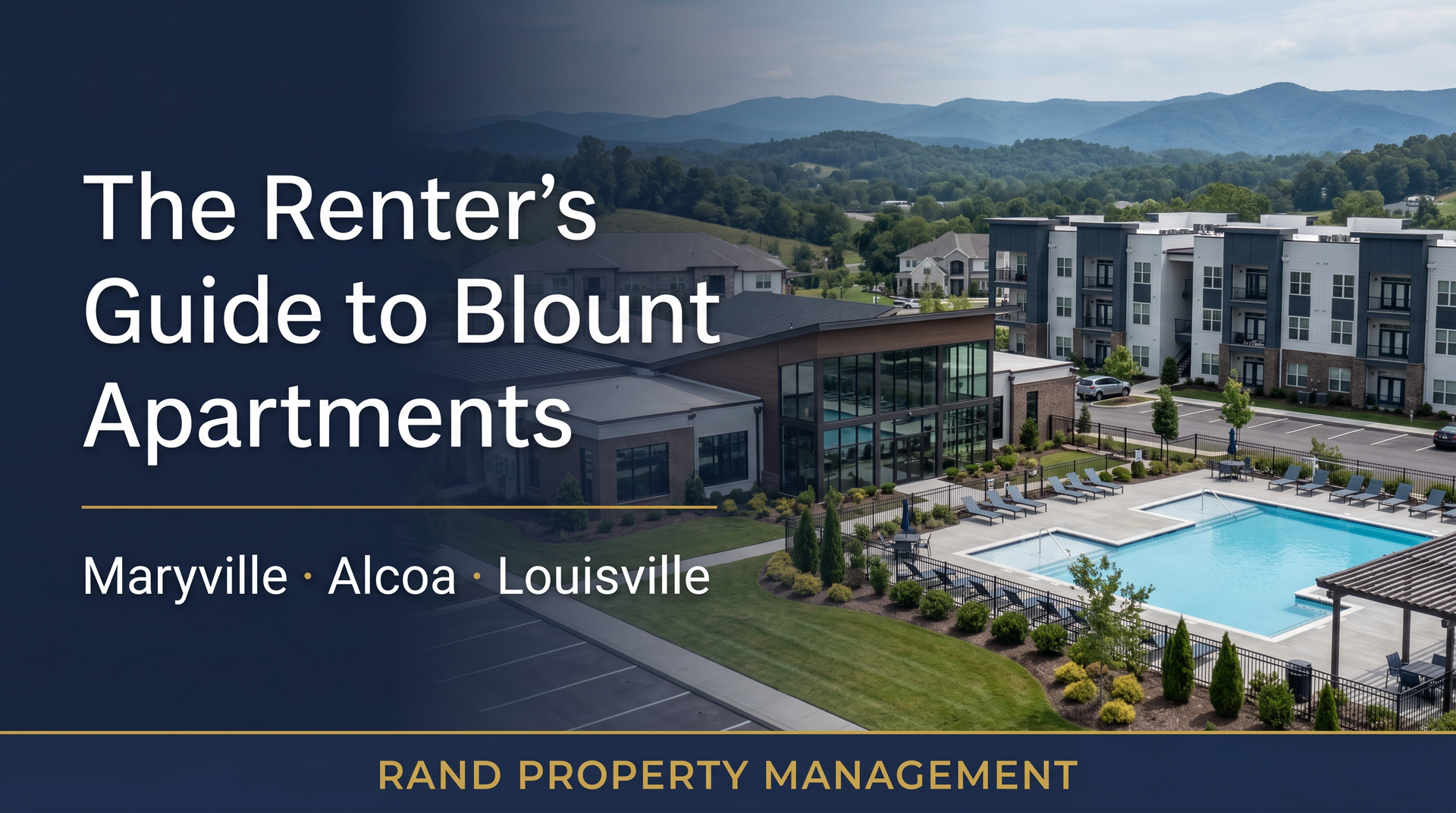
This affordability extends across the full East Tennessee market. In Maryville and Blount County, 2 bedroom apartments run $1,000 to $1,300 per month. In Jefferson City and Morristown, comparable configurations run $850 to $1,100 per month. In Alcoa, Louisville, and Powell, the same. The price gradient that makes East Tennessee’s smaller cities even more affordable than Knoxville proper gives renters across the region a range of options at price points that major Southeast markets cannot approach for comparable quality.
The cost of living advantage extends beyond rent. East Tennessee’s property tax rates — relevant to renters through their effect on landlord economics and thus on rent pricing — are among the lowest in the Southeast. Tennessee has no state income tax on wages, giving residents of every income level a take-home advantage over comparable wages in states with income tax. Utility costs in Tennessee, while variable with season and unit size, are generally lower than in Southeast coastal markets. Food and service costs in Knoxville and East Tennessee’s secondary markets run below national averages.
The household that rents in Knoxville versus Nashville at equivalent income levels has more disposable income available for discretionary spending, savings, and investment — not because they earn more, but because they spend less maintaining the same quality of life. Over a multi-year tenancy, this financial gap compounds into a meaningful wealth position difference that purely comparing rent numbers does not capture.
The Great Smoky Mountains: A National Park as a Residential Amenity
Most renters who evaluate residential markets do not include national park access in their calculation. They should — particularly when the national park in question is the Great Smoky Mountains National Park, the most visited national park in the United States, and when the residential addresses that provide genuine proximity to it are available at East Tennessee’s rental price points.
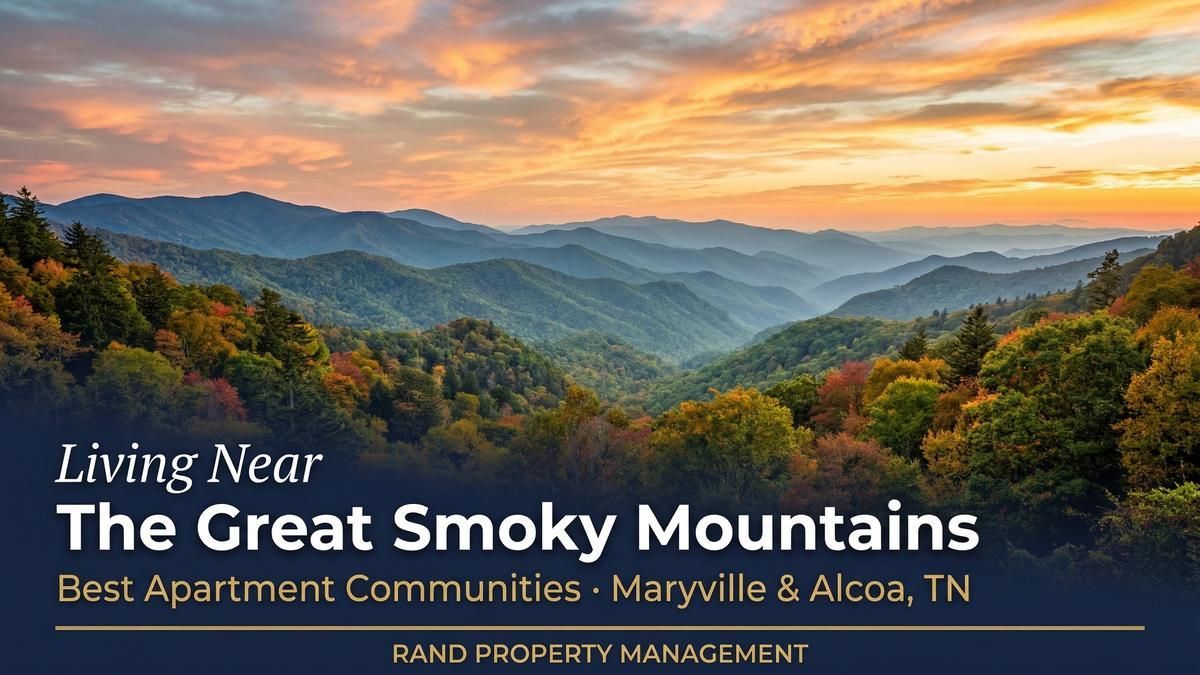
The Great Smoky Mountains National Park receives more than twelve million visitors annually — more than Yellowstone and the Grand Canyon combined. The reason is visible from most East Tennessee addresses on a clear day: the ancient, rounded ridgeline of the Appalachian chain in its oldest and most weathered expression, covered in one of the most ecologically diverse temperate forest systems on the planet, crossed by over 800 miles of maintained trails, and accessible without an entrance fee that the park uniquely does not charge.
For renters in Knoxville, the park entrance at Gatlinburg is approximately 45 minutes from most city addresses. For renters in Maryville and Blount County — where Rand Property Management’s Park Place communities and Rand at Green Meadows are located — the park entrance is 30 minutes away. For renters at Westview Townhouses near Jefferson City and Morristown, the Cherokee National Forest and the surrounding mountain landscape are even closer.
What this proximity means in practical residential terms is that the national park is a weekend destination rather than a vacation. A Saturday morning that begins at a Rand apartment in Maryville and includes a sunrise hike on Alum Cave Trail before returning home for a late breakfast is not a trip — it is a routine. The trails, the wildlife, the waterfalls, the fire tower views, and the autumn color display that draws hundreds of thousands of leaf-peeping visitors every October are background features of daily life for East Tennessee residents in a way that residents of no other major Southeast rental market can access without a multi-hour drive.
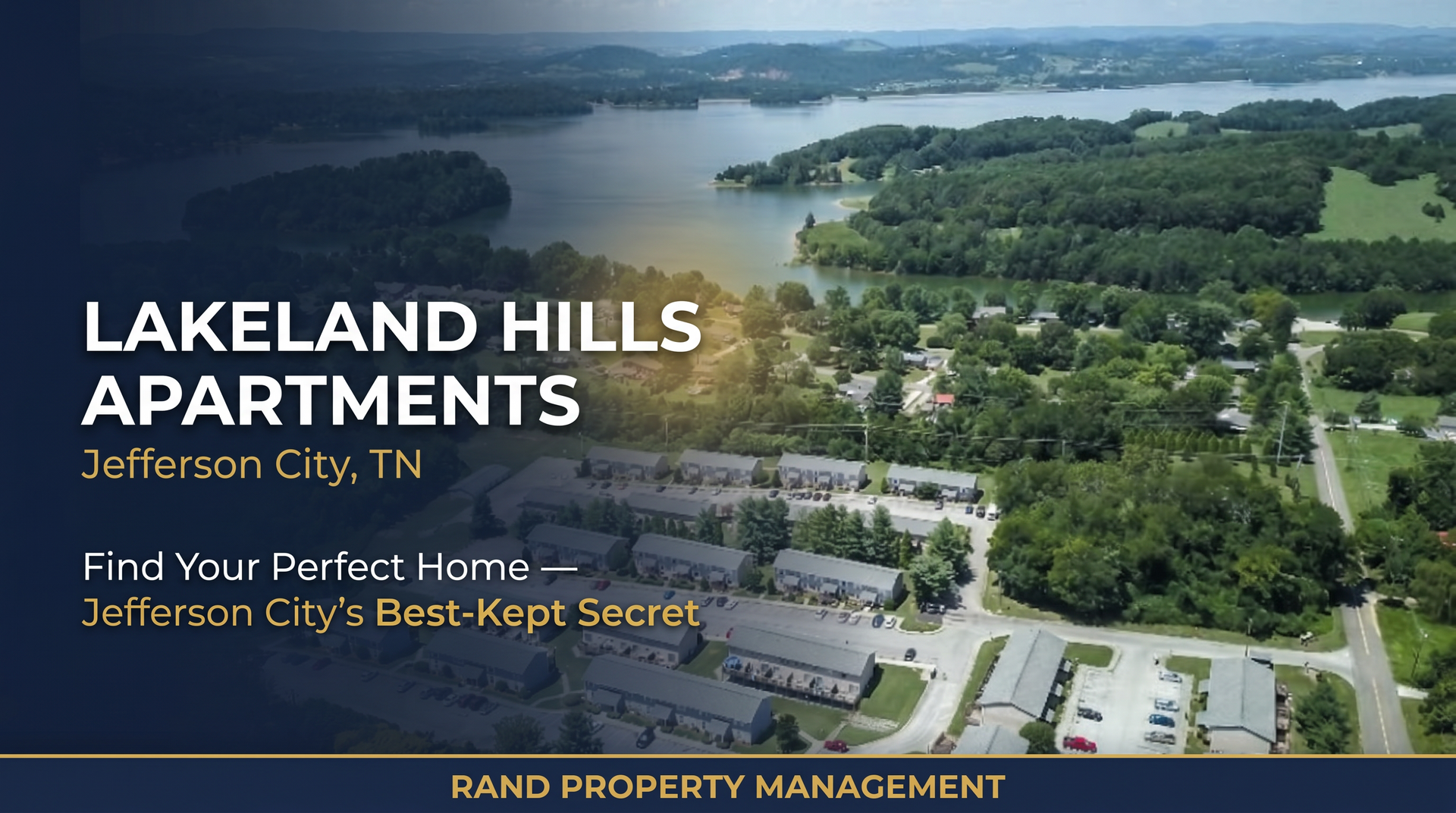
The Foothills Parkway — one of the most scenic drives in the eastern United States, running along the northern border of the national park — is accessible within minutes of most Blount County Rand communities. Cherokee Lake, Douglas Lake, Norris Lake, and the TVA reservoir system that surrounds East Tennessee provide water recreation access at a variety and proximity that coastal markets position as major lifestyle premiums and that East Tennessee residents access as a standard feature of the regional landscape.
For renters who are outdoor-oriented — who hike, kayak, fish, mountain bike, rock climb, or simply want a natural landscape to walk in on a Tuesday evening — East Tennessee’s outdoor access is not a bullet point on a list of regional features. It is the single most distinctive quality-of-life advantage that the region offers and that no amount of urban amenity development in competing markets can replicate.
The Employment Base: Stable, Diversified, and Growing
A rental market is only as strong as the employment base that supports it — and East Tennessee’s employment base is more diversified, more stable, and more growth-oriented than its national profile suggests.
The University of Tennessee’s Knoxville campus is the region’s most significant single employer — a major research university with approximately 30,000 students and several thousand faculty and staff positions, generating the academic employment, healthcare employment through UT Medical Center, and the research and development activity that university anchor institutions produce across their surrounding economies. UT’s institutional stability — it has been a major regional employer for over two centuries and is not going anywhere — gives the surrounding residential market a demand floor that purely market-dependent employment centers do not provide.
The Oak Ridge National Laboratory, located approximately 25 miles west of Knoxville, is one of the United States Department of Energy’s premier research facilities — a major employer of scientists, engineers, and support staff whose residential choices are concentrated in the Knox County and Anderson County rental market. The laboratory’s federal funding base and research mission give it an employment stability that private sector employers in comparable specialties cannot match.
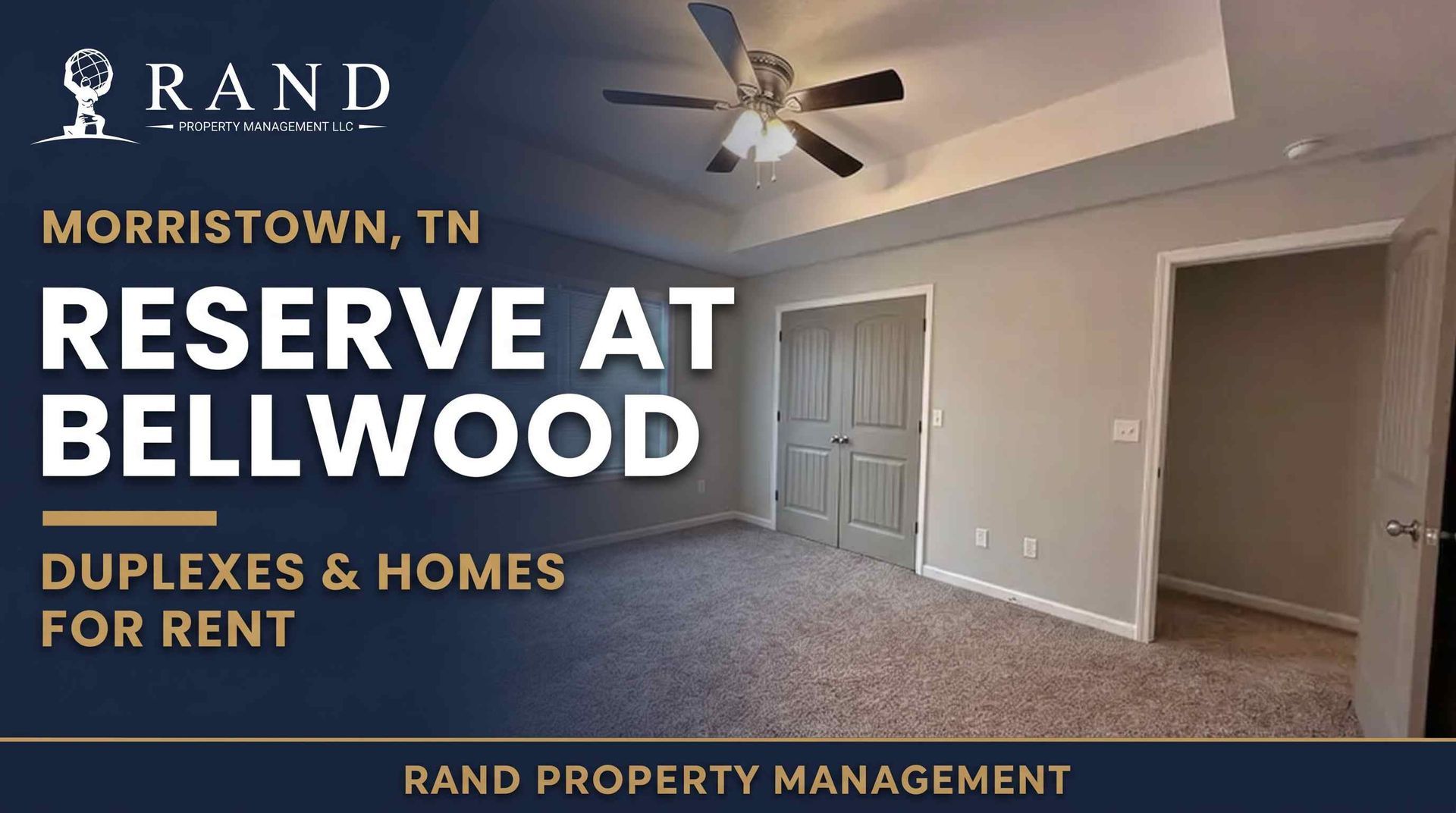
Manufacturing is a significant East Tennessee employment sector in ways that often surprise renters who associate the region primarily with its natural environment and university presence. DENSO Manufacturing in Maryville — within walking distance of Rand’s Park Place communities — is one of the largest automotive components manufacturers in the state. The manufacturing corridor extending through Morristown — where Rand’s Reserve at Bellwood and Rand 430 communities serve the residential market — employs thousands at operations ranging from paper manufacturing to precision industrial components.
Volkswagen’s Chattanooga assembly plant, accessible from the western reaches of the region, represents the automotive manufacturing investment that has defined Southeast employment growth over the past two decades.
Healthcare is East Tennessee’s fastest-growing employment sector. The Knoxville metropolitan area is home to multiple major health systems — Covenant Health, Tennova Healthcare, and UT Medical Center — providing thousands of clinical, administrative, and support positions across the region. The healthcare employment base skews toward the stable, benefits-inclusive, and growth-oriented profile that residential markets benefit from and that volatile tech or financial sector employment cannot consistently provide.
The remote work shift that began in 2020 and has stabilized into a permanent feature of the national employment landscape has added a category of East Tennessee resident whose residential choice is decoupled from local employment entirely. Remote workers earning salaries benchmarked to Nashville, Atlanta, New York, or San Francisco who choose to live in
East Tennessee are capturing the full affordability premium of the regional market while earning income calibrated to markets that charge two to three times the housing cost. The scale of this migration into East Tennessee has been visible in rental market dynamics across the region over the past five years and represents a structural demand driver rather than a temporary trend.
The Climate: Four Seasons Without the Extremes
Climate is among the most underweighted factors in rental market evaluation and among the most consistent determinants of long-term residential satisfaction. East Tennessee’s climate is one of its most compelling residential advantages — and one of its least discussed ones.
East Tennessee sits in the Southern Appalachian climate zone — a temperate region characterized by four distinct, roughly equal seasons, moderate summer temperatures relative to the Deep South, winter cold that is real but not severe, spring and fall seasons of unusual length and beauty, and rainfall distributed relatively evenly across the year rather than concentrated in the violent summer storm patterns of the Gulf Coast.
Summer temperatures in Knoxville average in the low to mid 80s Fahrenheit during July and August — meaningfully cooler than Atlanta, Charlotte, Memphis, and the coastal Southeast markets that renters from those areas describe as oppressively hot for four to five months of the year. The elevation of the surrounding terrain — the region’s ridges and valleys sit significantly above sea level — moderates both summer heat and winter cold in ways that the flat coastal plains of the Deep South cannot replicate.
Fall in East Tennessee is the season that most consistently exceeds the expectations of renters who have not previously lived in the region. The combination of the Smoky Mountains’ hardwood forest composition — one of the most diverse temperate deciduous forests in the world — and the region’s elevation gradients produces a fall color display that begins in late September at higher elevations and moves progressively through the valleys until mid-November, providing an extended visual season that draws millions of visitors to the region and that East Tennessee residents simply live within. The October and early November weather — cool days, cold nights, brilliant foliage — is a residential quality-of-life experience that renters from warmer markets frequently describe as the most significant positive climate surprise of their East Tennessee tenancy.
Spring arrives early in East Tennessee relative to national expectations — dogwoods and redbuds begin blooming in late March, and the rapid transition from late winter cold to genuine spring warmth produces a landscape transformation that the region’s natural diversity makes particularly dramatic. The spring hiking season in the Smoky Mountains is one of the most celebrated in the country, and for East Tennessee renters, it begins within weeks of the end of winter and is accessible from their daily residential base.
Winter in East Tennessee is real but measured. Average temperatures in January in Knoxville range from the high 20s overnight to the low 40s during the day. Snow events occur but are measured in inches rather than feet — the significant winter precipitation events that affect the region are more commonly ice than snow, producing road closures and school delays rather than the multi-day blizzard paralysis of northern markets. For renters relocating from the Northeast or Midwest, East Tennessee’s winters are universally described as easier. For renters from the Deep South, they provide the seasonal definition and autumn-winter landscape character that the Gulf Coast’s mild winters lack.
The Community Character: What East Tennessee Feels Like to Live In
Community character is the aspect of a rental market that is most difficult to quantify and most immediately felt in daily life. It is the friendliness of neighbors, the pace of public life, the relationship between the built environment and the natural one, the presence of genuine local culture that is not a derivative of a larger market’s trends, and the specific sense of place that some cities and regions develop organically over time and that others pursue through deliberate investment without fully achieving.
East Tennessee has it. The combination of a distinctive regional identity — rooted in the Appalachian cultural tradition, the university town character of Knoxville, and the outdoor culture that the surrounding landscape produces — with the genuine small-city warmth of the region’s secondary markets has produced a community character that renters who move here from larger Southeast markets consistently describe as one of the primary reasons they stay.
Knoxville’s downtown has undergone a transformation over the past two decades that has made it one of the most livable mid-sized city centers in the Southeast. Market Square — a genuine public gathering space that hosts a farmers market, concerts, festivals, and the daily social life of a city that has rediscovered its urban center — is the expression of a downtown culture that Nashville’s Lower Broadway and Atlanta’s tourist corridors, for all their commercial success, do not replicate for residents who want a city center that belongs to them rather than to visitors.
The Happy Holler neighborhood on Central Avenue, the Old North Knoxville district, the South Knoxville waterfront development, and the progressive densification of the walkable corridors connecting these areas represent a Knoxville that is growing in quality of life rather than just in population — a distinction that the region’s renters experience daily as the gap between their cost of living and their quality of life continues to widen in their favor.
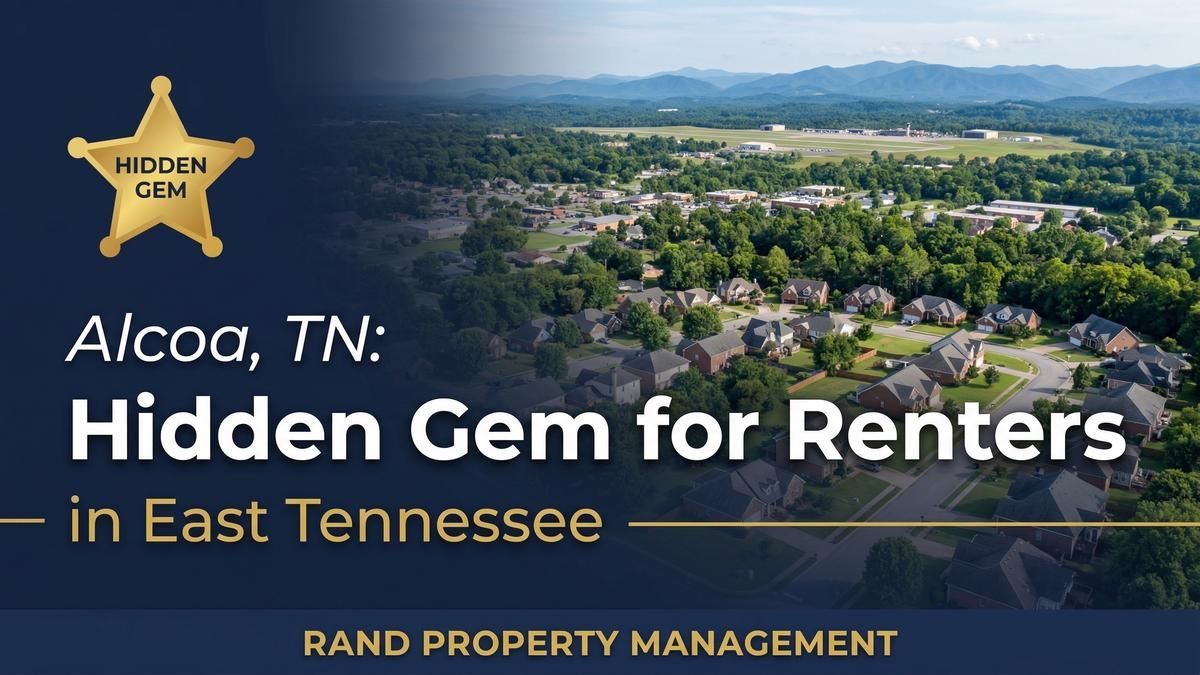
The secondary cities of East Tennessee add dimensions of community character that Knoxville’s increasingly urban texture does not provide. Historic Downtown Maryville, where independent restaurants and boutique retailers have maintained a genuine downtown culture that larger Tennessee cities have lost. The university-town community of Jefferson City, where Carson-Newman’s presence shapes the city’s rhythm and the outdoor landscape is visible from residential addresses across the area. The industrial community of Morristown, where manufacturing employment provides the economic stability that supports genuine residential investment. The airport-adjacent efficiency of Alcoa, where DENSO Manufacturing employees walk to work and the Blount County landscape begins transitioning from valley to foothills within minutes of residential addresses.
These are not amenity packages that a developer assembled. They are communities that have developed over generations and that a renter’s lease provides access to in a way that no amount of resort-style apartment amenity can replicate.
Rand Property Management: The East Tennessee Rental Portfolio Built Around These Advantages
Rand Property Management has built a rental portfolio across East Tennessee that reflects a specific thesis about what makes this region genuinely worth renting in — and that thesis is visible in where they have chosen to operate and how they have chosen to manage.
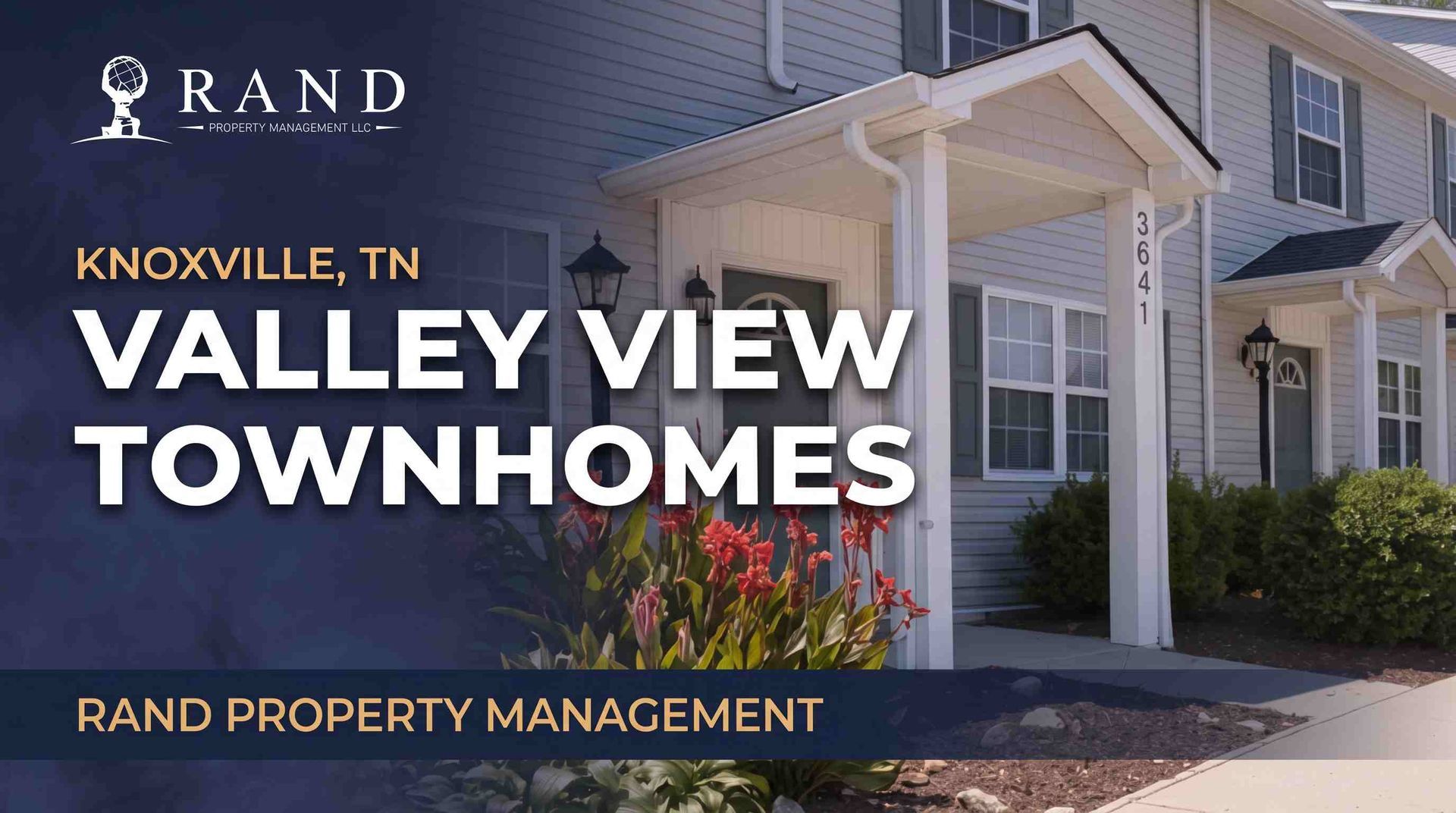
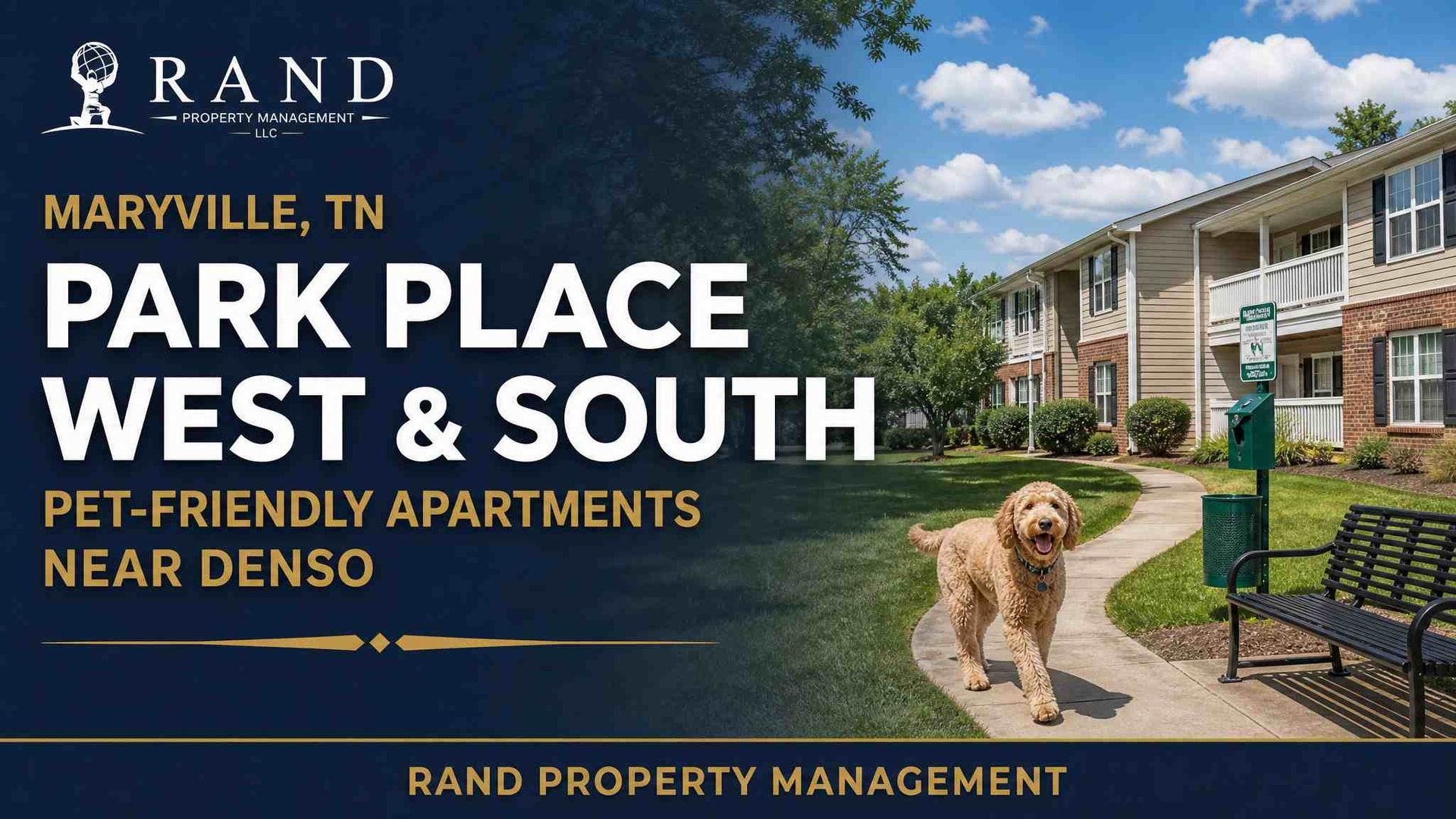
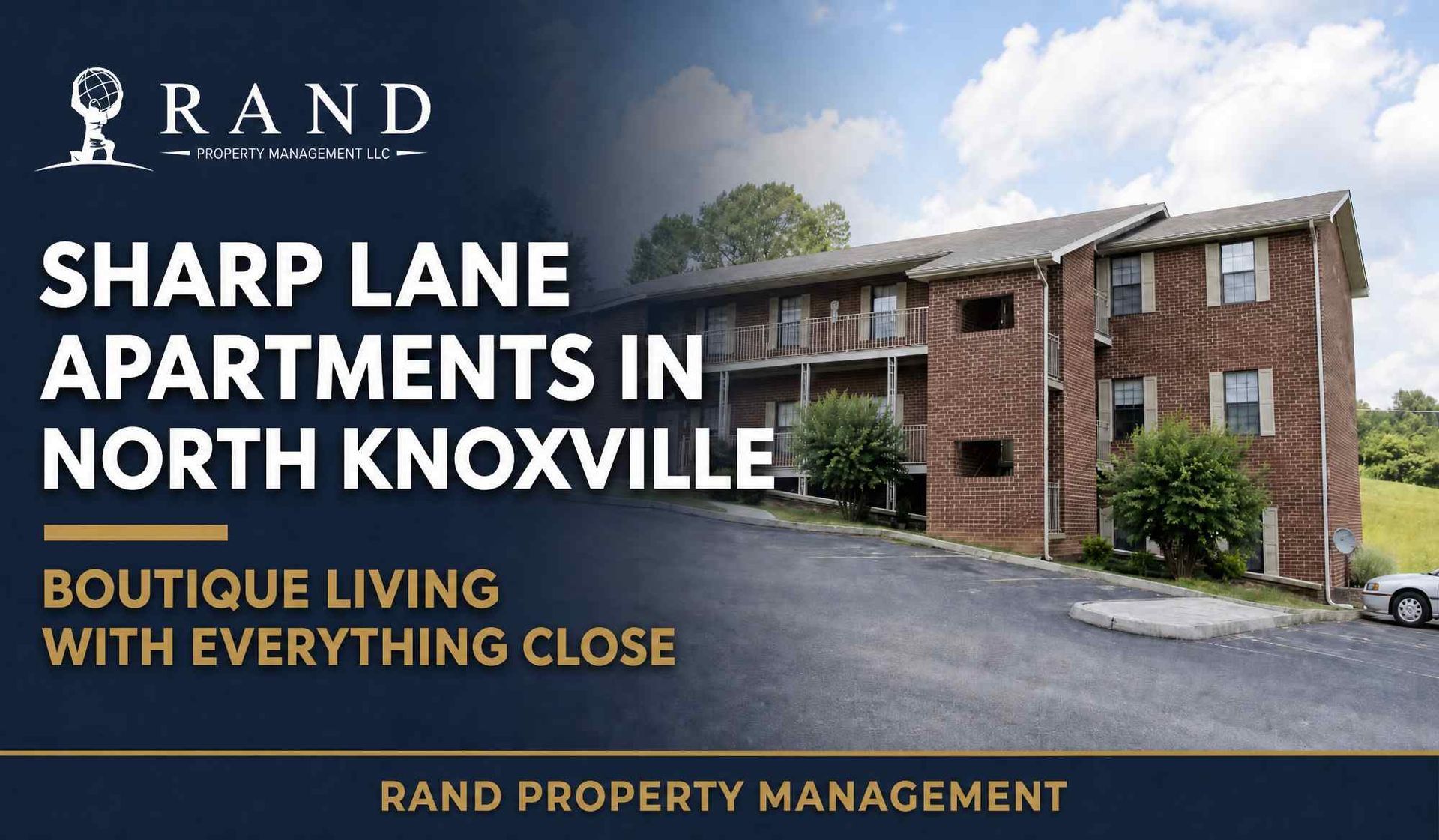
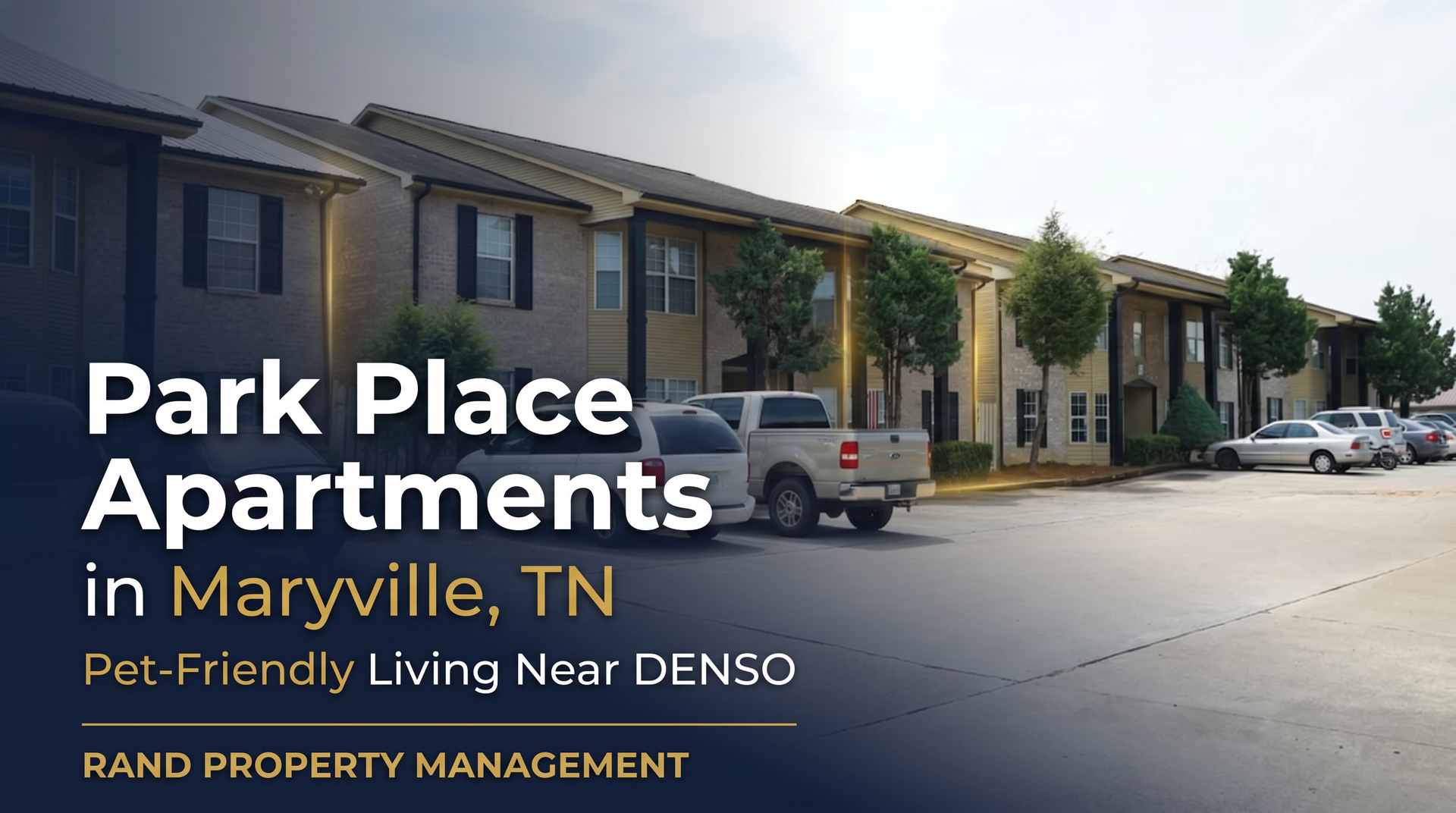
Communities across Knoxville — Rocky View Apartment Homes, Rand Willoway, Breckenridge Apartments, Sharp Lane, Valley View Townhomes, Hickory Hill, Rand at Sutherland — serve the Knox County market at a range of price points and neighborhood characters, from North Knoxville’s revitalizing character to the South Knoxville waterfront corridor. In Maryville, Park Place West and South position residents within walking distance of DENSO and minutes from Historic Downtown Maryville and Maryville College.
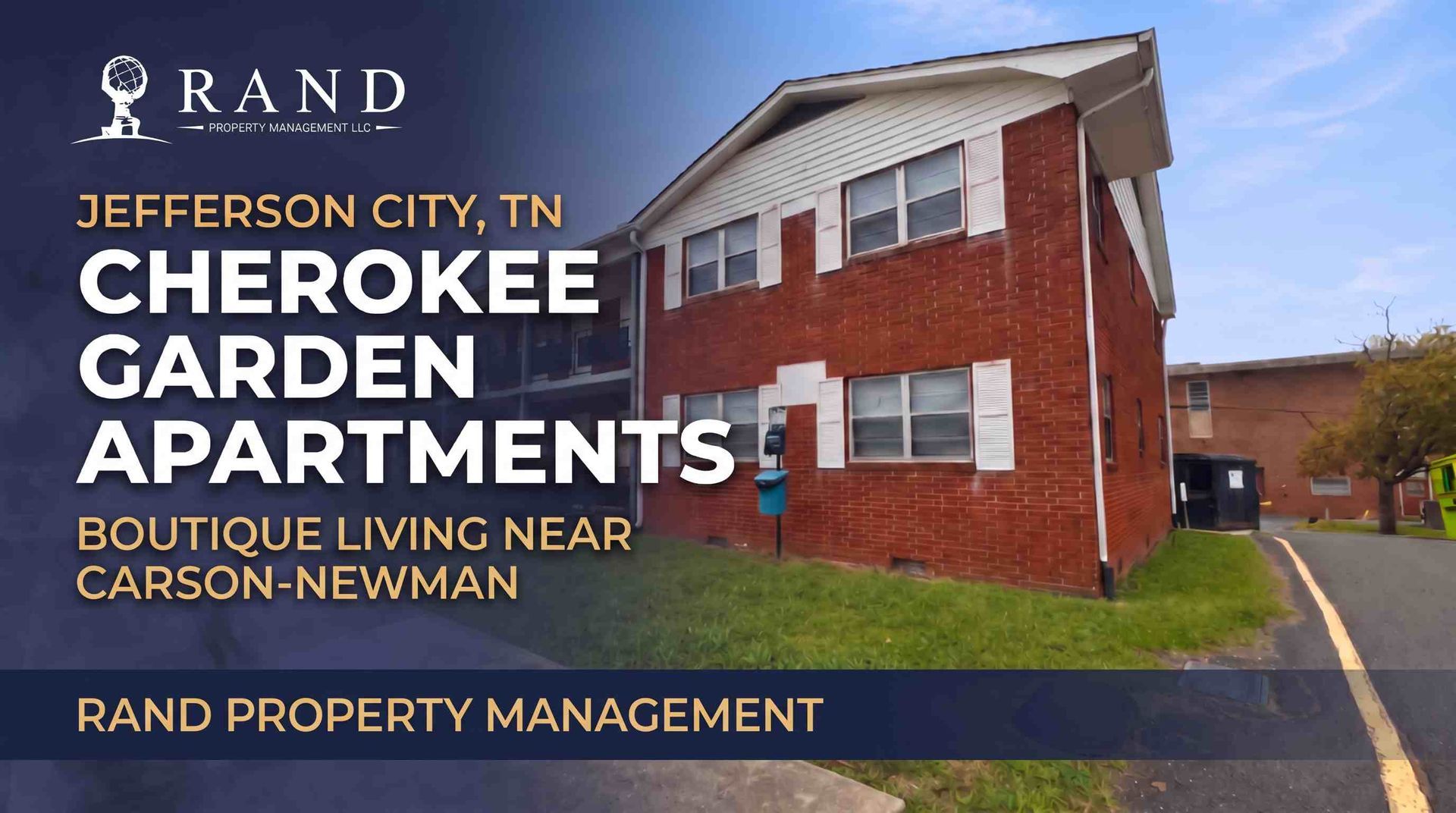
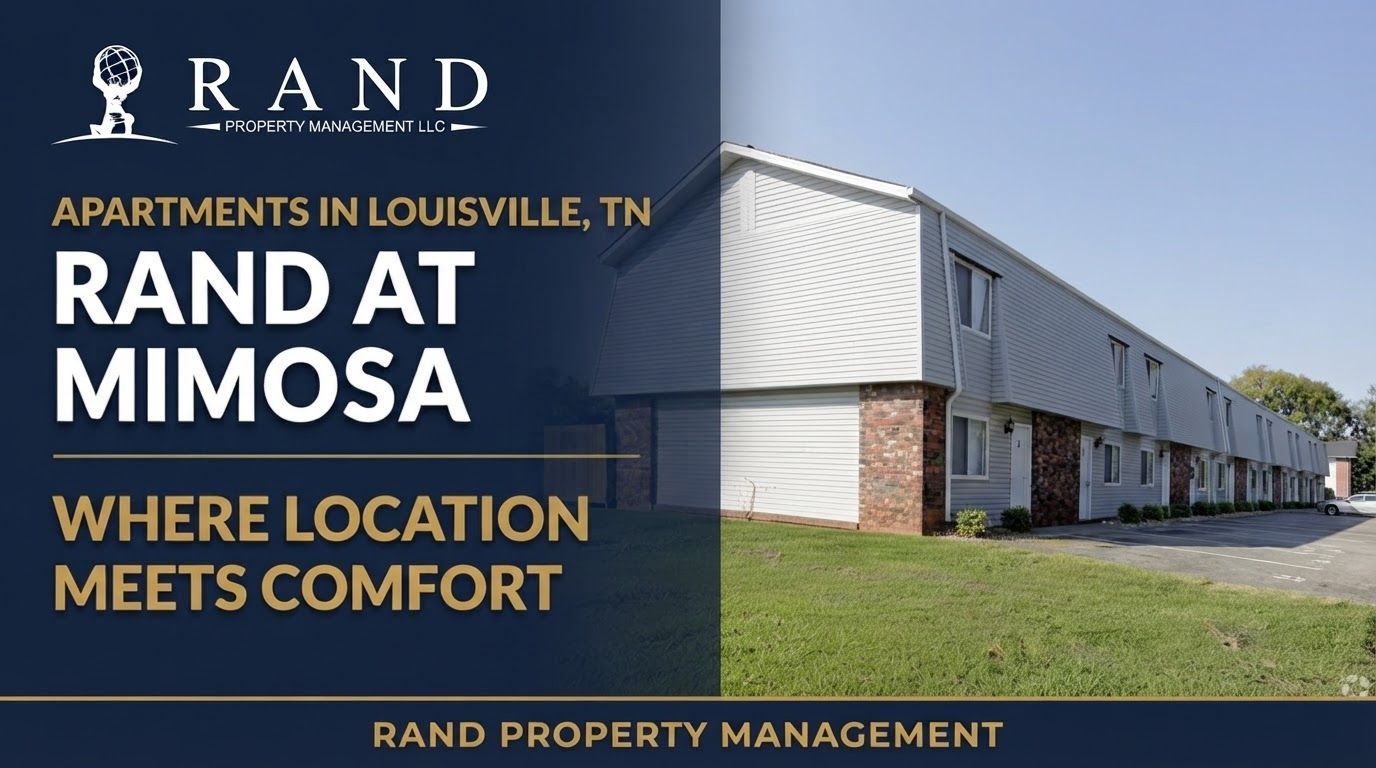
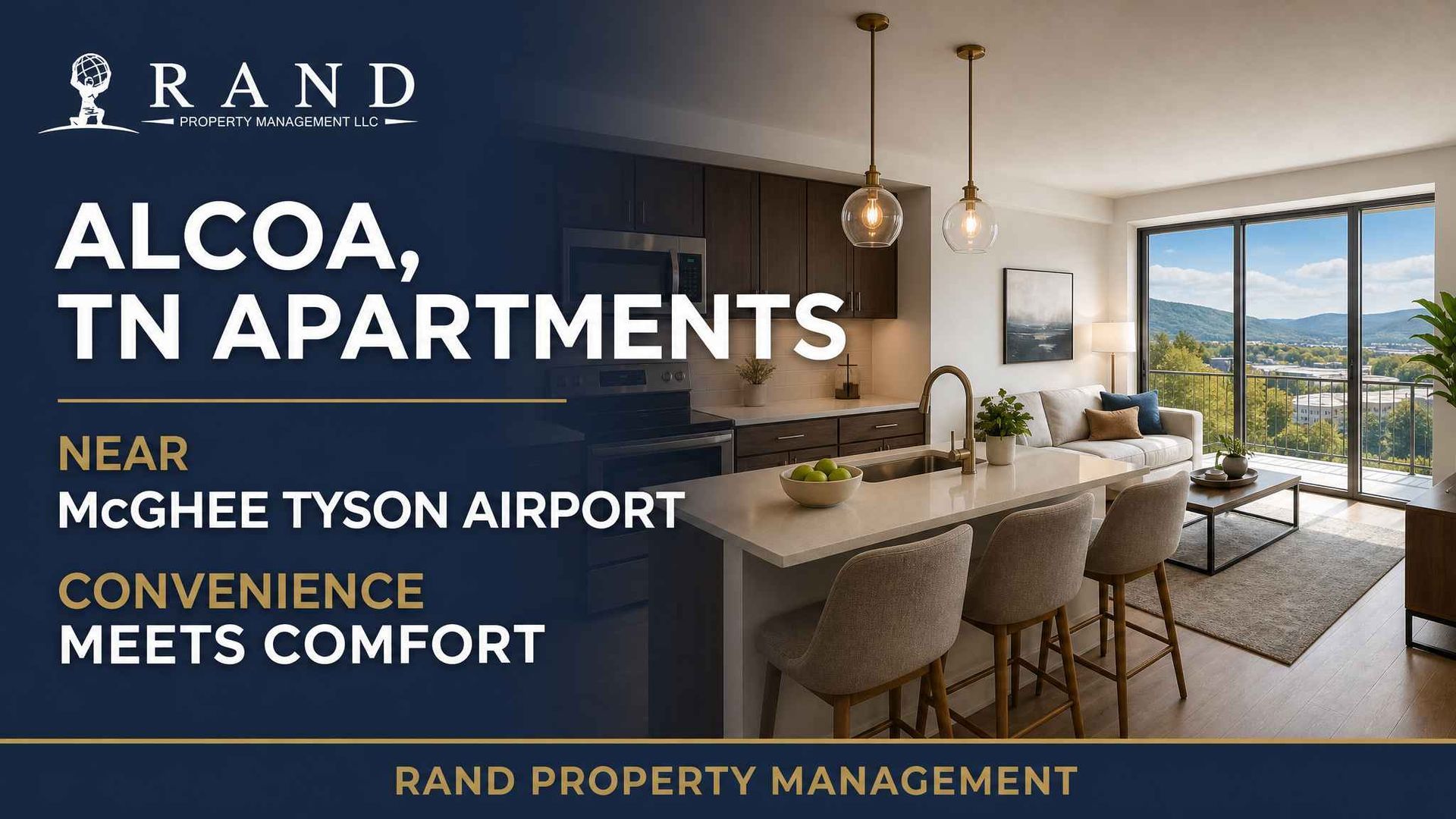
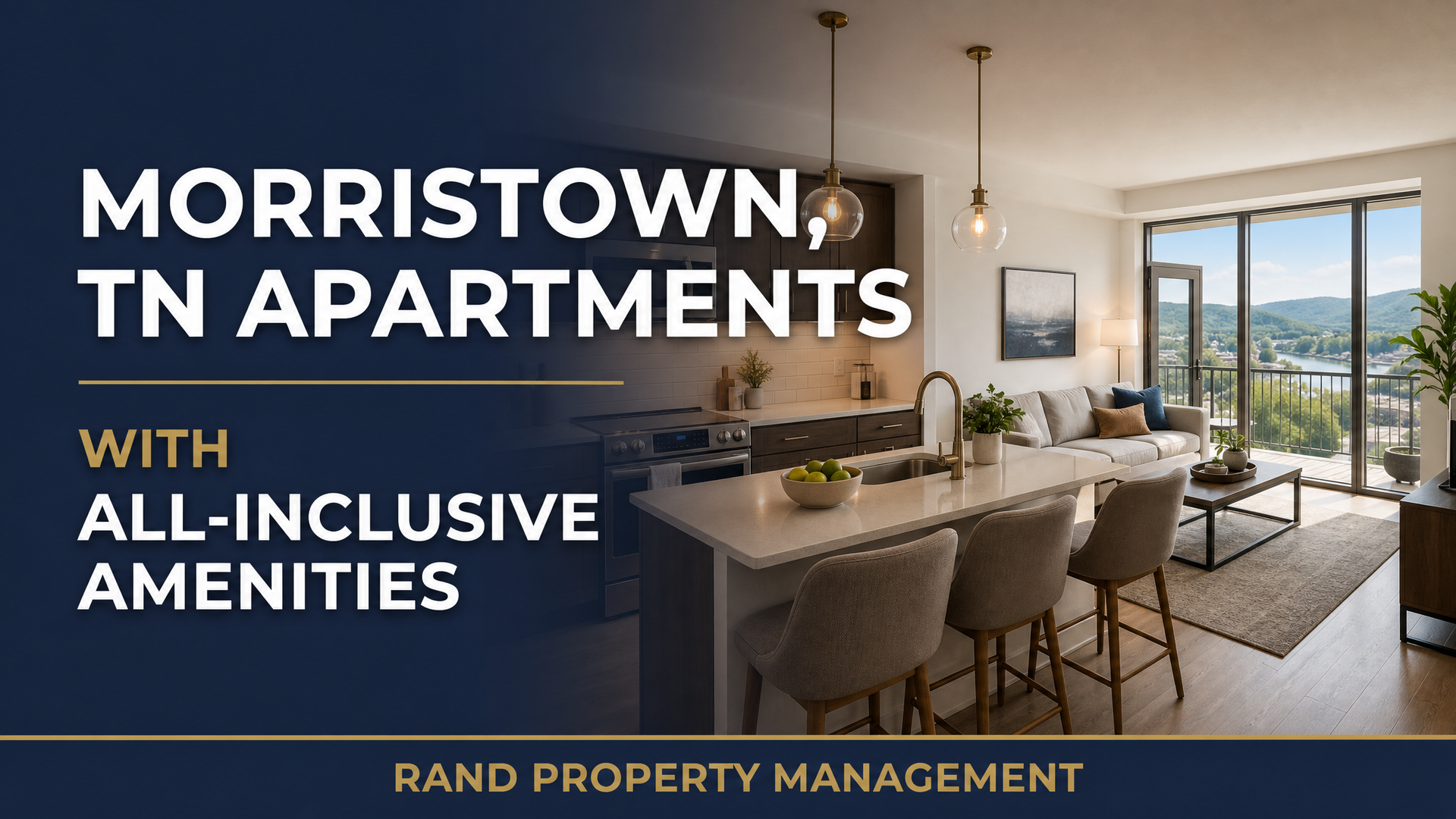
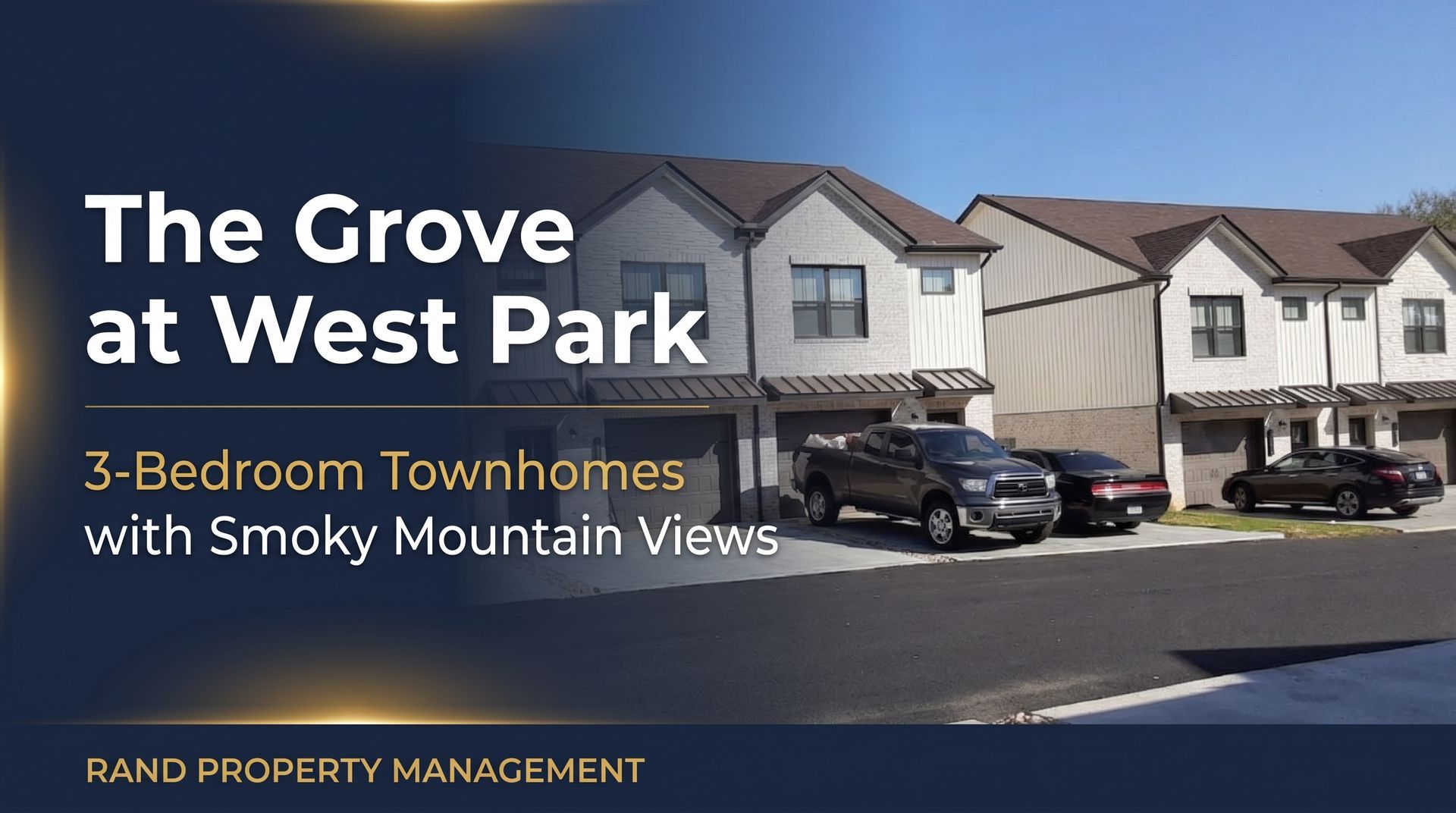
In Alcoa, Rand at Green Meadows serves the airport-adjacent Blount County market. In Louisville, Rand at Mimosa provides the Alcoa Highway access point between Maryville and Knoxville. In Jefferson City, Cherokee Garden delivers boutique university-adjacent living steps from Carson-Newman. Near Jefferson City, Westview Townhouses offers single-level duplex homes with Smoky Mountain views. In Morristown, Reserve at Bellwood provides home-quality living with attached garages and private patios, Rand 430 serves the city’s rental market, and Rand 430 completes the Hamblen County portfolio.
What connects these communities across East Tennessee’s geography is not a uniform amenity package but a management philosophy — 24/7 emergency maintenance, pet-friendly policies, professional leasing teams, and the community environment standards that make the regions described above genuinely accessible to residents rather than theoretical advantages that never translate into daily life.
For renters who have evaluated East Tennessee’s advantages and are ready to make a home in the region, Rand Property Management’s portfolio provides the starting point.
Visit randpropertymanagement.com/community-directory to browse current availability across every East Tennessee market Rand serves — and to find the community that makes the region’s advantages most immediately and personally relevant to the life you want to live here.
Frequently Asked Questions — Renting in East Tennessee
Is East Tennessee more affordable than Nashville for renters?
Significantly. A 2 bedroom apartment in Knoxville runs approximately $1,100 to $1,500 per month at well-managed communities. In Nashville, the comparable range is $1,600 to $2,200 per month — a gap of $500 to $700 per month or $6,000 to $8,400 annually for similar space and management quality. Tennessee’s absence of a state income tax on wages amplifies this advantage for residents at every income level compared to states with income tax.
How far is the Great Smoky Mountains National Park from Knoxville apartments?
Most Knoxville addresses are approximately 45 minutes from the Great Smoky Mountains National Park entrance at Gatlinburg. Blount County communities — Maryville, Alcoa, and Louisville — are approximately 30 minutes from the park. The park is free to enter and open year-round, making it a genuine weekly destination for East Tennessee renters rather than a special occasion requiring planning and expense.
What are the major employers in East Tennessee?
East Tennessee’s major employers include the University of Tennessee and UT Medical Center in Knoxville, Oak Ridge National Laboratory, DENSO Manufacturing in Maryville, Covenant Health and Tennova Healthcare systems, multiple industrial manufacturers across the Morristown corridor, and the growing remote worker population whose income is externally benchmarked. The diversified employment base provides stability that single-sector markets cannot match.
What is the climate like in East Tennessee year-round?
East Tennessee has four distinct seasons. Summer averages in the low to mid 80s — cooler than most Deep South markets. Fall is exceptionally scenic with an extended color season from September through November. Winter involves real cold and occasional ice events but is significantly milder than the Northeast and Midwest. Spring arrives early with the dogwood and redbud bloom that defines the region’s visual identity. The climate supports outdoor activity year-round without the extreme heat, cold, or humidity that affects comparable markets.
What makes East Tennessee different from Asheville for renters?
East Tennessee offers comparable mountain access and outdoor culture to Asheville at meaningfully lower rental prices. Asheville’s desirability has driven rents to $1,200 to $1,600 per month for 1 bedroom apartments — comparable to or above Knoxville’s 2 bedroom market. East Tennessee’s rental market is larger, more geographically diverse, and offers more options across price points and community types than Asheville’s constrained supply.
For renters choosing between the two, East Tennessee offers more space, more options, and lower cost for the same fundamental mountain-access and outdoor-culture lifestyle proposition.
Does Rand Property Management operate across East Tennessee?
Yes. Rand Property Management operates communities across Knoxville, Maryville, Alcoa, Louisville, Jefferson City, Morristown, and Powell — covering the full range of East Tennessee markets described in this guide. Every Rand community includes 24/7 emergency maintenance, pet-friendly policies, and the professional management standards that give renters across the region a consistent quality baseline regardless of which East Tennessee market they choose. Visit randpropertymanagement.com/community-directory for current availability.